Severe pain, a broken tooth, swelling or an injury? Call the clinic at 450-470-2000. Our team will gather the information needed and tell you the next step.
These descriptions are general: they do not replace an examination at the clinic. They are here to help you describe what you feel when you call.
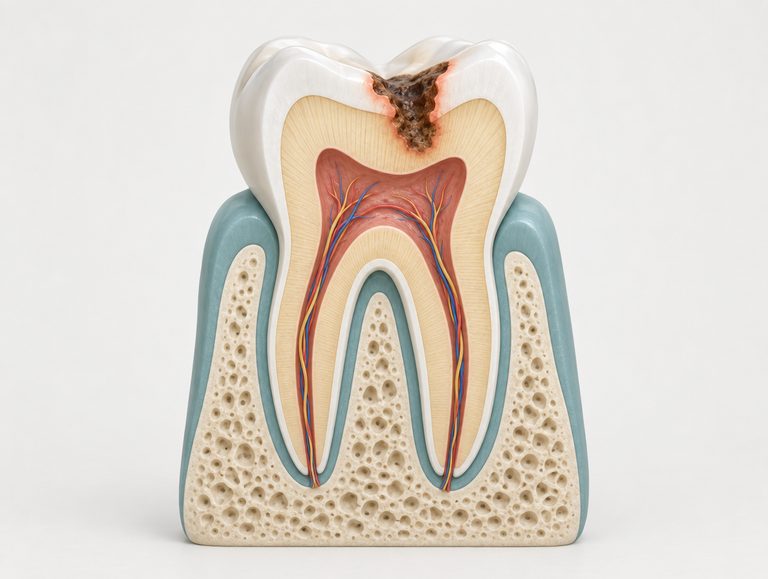
Tooth decay
Symptoms : Toothache, dentin hypersensitivity (sensitivity to hot and cold), sensitivity when eating sweet foods, sensitivity to pressure, an unpleasant taste that lingers in the mouth.
This infectious disease causes a lesion that destroys the enamel and the dentin of the tooth. It forms a cavity that damages it progressively. An affected tooth can spread decay to neighbouring teeth. Left untreated, it will lead to pulpitis — commonly known as a raging toothache — or to an abscess.
Caught in time, decay is treated simply with a filling.
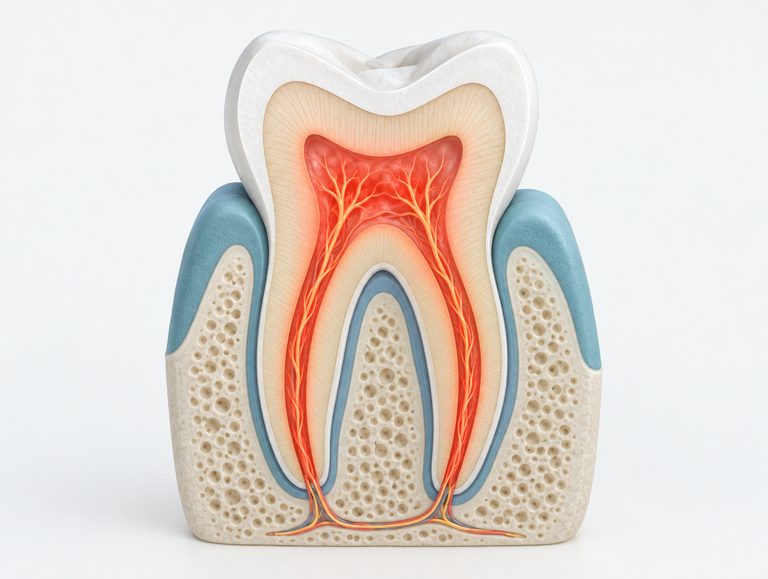
Pulpitis, or a raging toothache
Pulpitis is an inflammation of the nerve and the blood vessels of the tooth. It follows a physical trauma, deep decay or a filling, or appears after eating food that is too hard, too hot or too cold. Bruxism — clenching the teeth hard — also damages them.
A root canal often relieves the pain and makes it possible to keep the tooth.
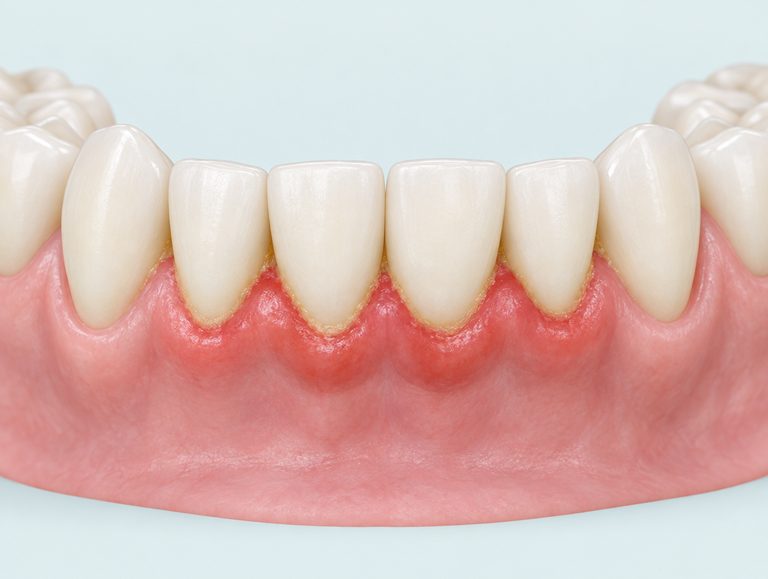
Gingivitis or periodontitis
Symptoms : Redness, swelling and bleeding of the gums.
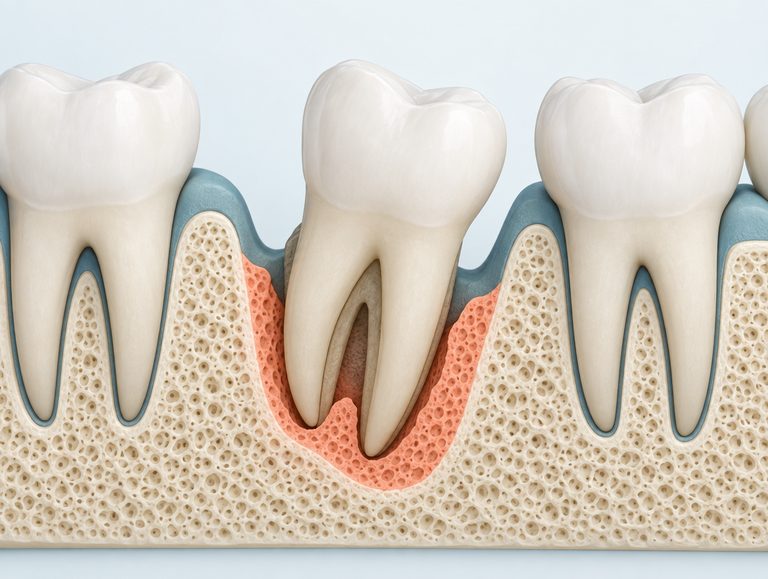
Gingivitis is an inflammation of the gums. As it worsens, it turns into periodontitis. Periodontitis is an inflammation of the periodontium, that is, the tissues that surround and support the teeth. This condition attacks the bone that holds the tooth.
Symptoms : Pain, swelling, pus in the mouth, fever and swollen glands.
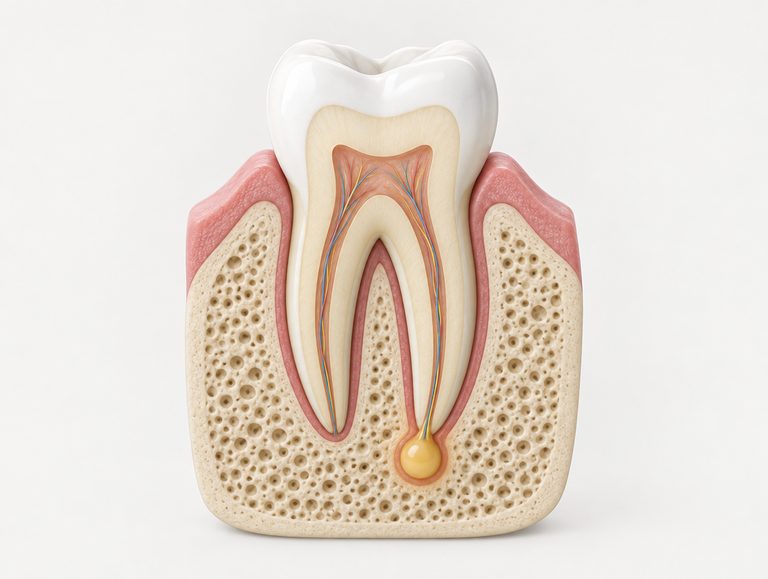
A dental abscess is a bacterial infection. It appears as a pus-filled bubble in the gum or at the base of a tooth.
There are two kinds of dental abscess: the gingival abscess and the periapical abscess.
The gingival abscess
An infection of the gum caused by teeth with tartar build-up, or by food particles lodged between the tooth and the gum.
The periapical abscess
Symptoms : Teeth that hurt when pressed. A tooth that appears to sit higher than the others.
This is the classic dental abscess. The infection is generally located inside the bone. A periapical abscess occurs when the nerve of the tooth dies. It is often purulent.
An abscess does not heal on its own: call us without waiting at 450-470-2000.
A fractured tooth
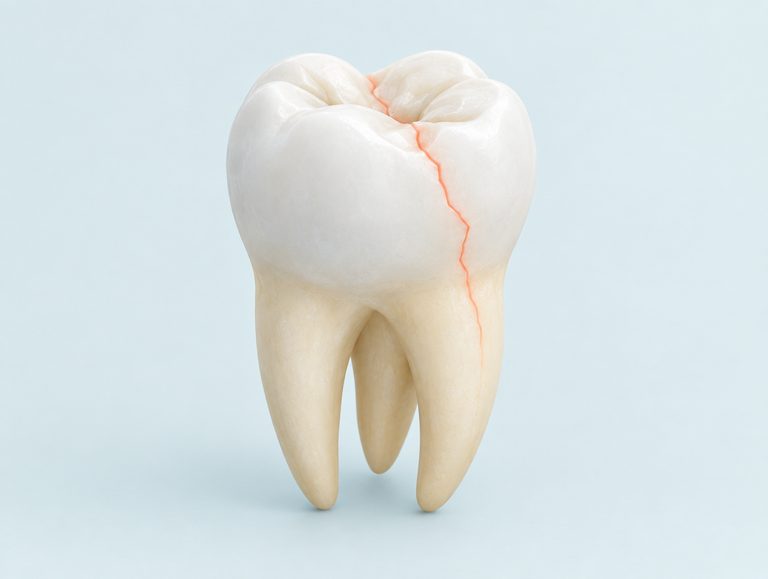
Frequently caused by a physical trauma, a fractured tooth can become painful and lead to dentin hypersensitivity.
Assessed early, a cracked tooth leaves more options — a crown can often protect it.
Loose teeth
Symptoms : Teeth that wobble.
In an adult, a tooth that moves is worth a prompt assessment: it is often a sign of gum disease.
Dentin hypersensitivity
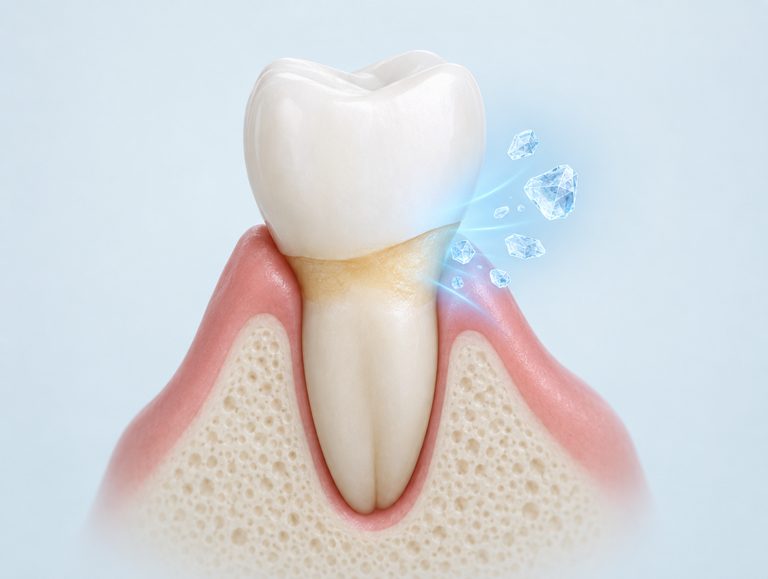
Symptoms : Teeth sensitive to hot and cold.
When it comes from a receding gum, a gum graft can cover the exposed root.
Sinusitis
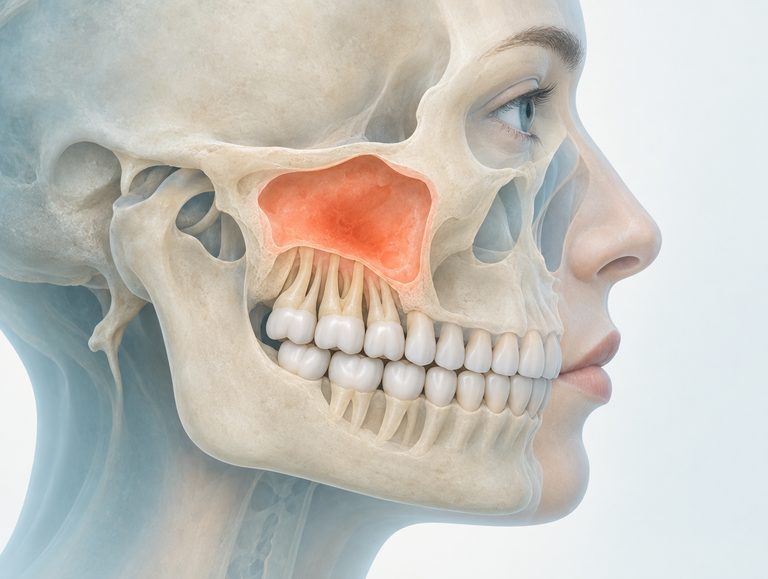
When the maxillary sinuses — located at the top of the cheeks, just above the upper molars and premolars — become infected, the upper molars and premolars become sensitive to hot, to cold and to pressure.
The exam tells a dental cause from a sinus one — two very different treatments.
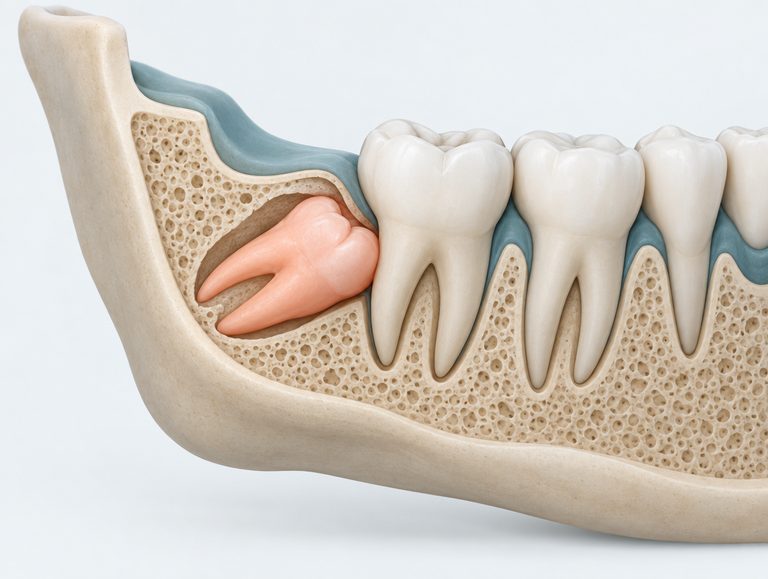
Wisdom teeth coming through
Pain can result from wisdom teeth coming through, and can bring on an inflamed, purulent area.
When there is not enough room, extraction reduces the risk of infection and protects the neighbouring teeth.
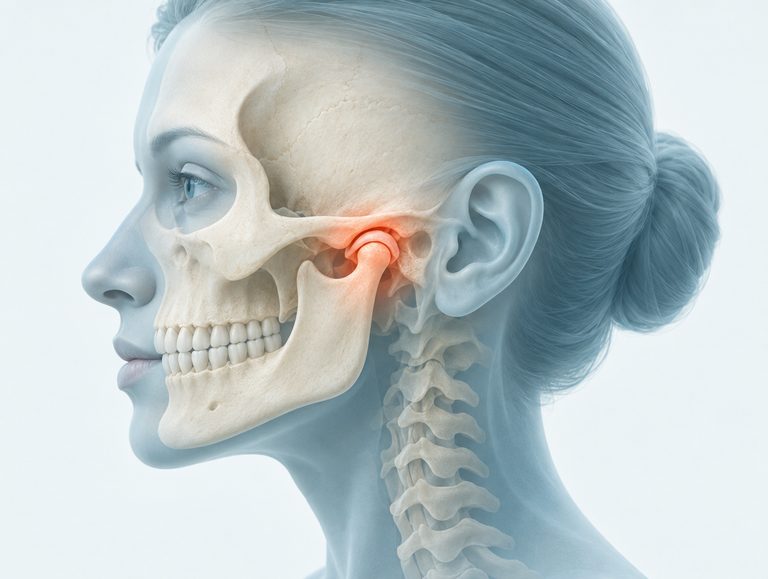
The jaw joint
Symptoms : Pain, tenderness inside or around the ear, in the jaw joint, in the jaw muscles, in the face or in the temples. Difficulty opening or closing the mouth, clicking or grating sounds when chewing, yawning or opening the mouth. Neck pain. Headaches.
Should the nerves and muscles of your jaw not be aligned, your jaw could develop a chronic condition: temporomandibular joint disorder.
Mention it at your dental exam: describing these symptoms helps guide the assessment.